
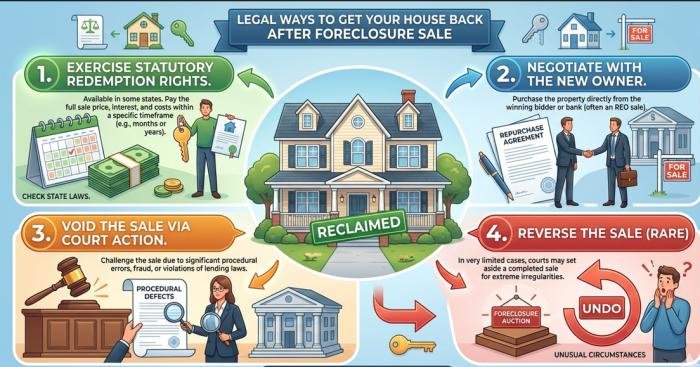
Legal Ways how to Get Your House Back After Foreclosure Sale
Losing a home through foreclosure can be one of the most difficult financial experiences a person faces. Many homeowners assume that once a foreclosure auction is complete, there is no way to recover their property. However, depending on your state’s laws and the circumstances of the foreclosure, there may still be legal options available.
If you’re wondering how to get your house back after foreclosure sale, the answer depends on several factors, including where you live, whether the foreclosure process was conducted properly, and whether redemption rights apply in your situation.
You’ll learn about redemption rights, legal challenges, bankruptcy protections, lender negotiations, and other important options that may help you regain ownership of your property.
Can You Get Your House Back After a Foreclosure Sale?
One of the most common questions homeowners ask is how to get your house back after foreclosure sale once the auction has already taken place. The good news is that recovery may still be possible in certain situations. Some states provide redemption periods that allow homeowners to reclaim their property. In other cases, courts may overturn a foreclosure sale if legal errors occurred during the process.
Whether you can recover your home depends on:
- State foreclosure laws
- Judicial or non-judicial foreclosure procedures
- Redemption rights
- Timing of legal action
- Whether the property has been transferred to a third-party buyer
- Evidence of lender misconduct or procedural violations
Read More: BetterThisFacts Information by BetterThisWorld Guide 2026
Understanding What Happens After a Foreclosure Sale
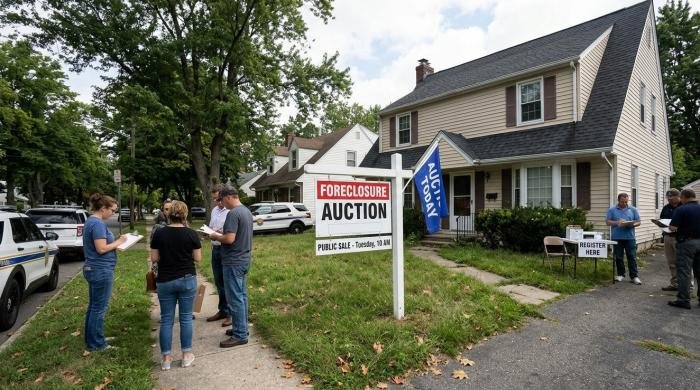
Before exploring how to get your house back after foreclosure sale, it is important to understand what happens once the property is sold. After a foreclosure auction:
- The highest bidder purchases the property.
- Ownership is transferred through legal documentation.
- The new owner gains rights to the property.
- Eviction proceedings may begin if the former owner remains in the home.
In some states, however, ownership does not become fully final until a court confirms the sale or a redemption period expires. This distinction can significantly impact your ability to reclaim your property.
State Redemption Rights A Powerful Legal Option
One of the strongest answers to how to get your house back after foreclosure sale is exercising your right of redemption.
What Is the Right of Redemption?
The right of redemption allows homeowners to reclaim a foreclosed property by paying the required amount within a specified period after the foreclosure sale. Depending on state law, you may need to pay:
- The foreclosure sale price
- Interest charges
- Legal fees
- Administrative costs
States with Redemption Periods
Some states provide post-sale redemption periods ranging from a few weeks to one year. Examples may include:
- Michigan
- Minnesota
- Alabama
- Iowa
- Illinois
Benefits of Redemption Rights
Advantages include:
- Opportunity to regain ownership
- Time to secure financing
- Potential avoidance of permanent displacement
Challenging the Foreclosure Sale in Court
Sometimes foreclosure sales occur because lenders fail to follow legal procedures. In such situations, homeowners may explore how to get your house back after foreclosure sale by asking the court to set aside or invalidate the sale.
Common Legal Grounds for Challenging a Foreclosure
Courts may review cases involving:
Improper Notice: Lenders must provide proper notice before foreclosure. Failure to do so can create grounds for legal action.
Procedural Errors: Foreclosure laws contain strict requirements. Missing deadlines or violating procedures may affect the validity of the sale.
Fraud or Misrepresentation: Evidence of fraud, forged documents, or deceptive practices can support legal challenges.
Wrongful Foreclosure: A foreclosure may be considered wrongful if:
- Payments were improperly credited
- Loan modification agreements were ignored
- The lender lacked authority to foreclose
Importance of Legal Representation
A qualified foreclosure attorney can evaluate whether the foreclosure process violated state or federal law.
Using Bankruptcy to Protect Your Rights
Bankruptcy is another option homeowners often consider when researching how to get your house back after foreclosure sale. While bankruptcy cannot always reverse a completed foreclosure, it may provide important legal protections.
Chapter 13 Bankruptcy
Chapter 13 allows eligible individuals to:
- Reorganize debts
- Catch up on missed mortgage payments
- Follow a structured repayment plan
Chapter 7 Bankruptcy
Chapter 7 primarily focuses on debt discharge. Although it may not directly restore ownership, it can provide financial relief and improve long-term recovery.
When Bankruptcy May Help
Bankruptcy may be useful when:
- Foreclosure proceedings are ongoing
- Redemption rights remain available
- Significant mortgage arrears exist
- Other debt obligations are overwhelming
Negotiating with the Lender After Foreclosure Sale
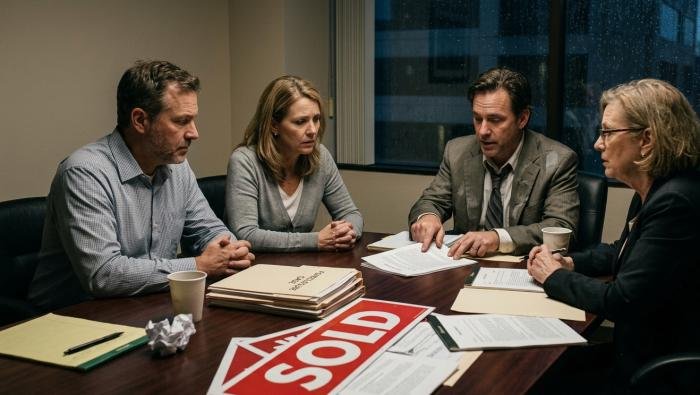
Many homeowners are surprised to learn that negotiation can sometimes play a role in how to get your house back after foreclosure sale. Although not always successful, lenders occasionally agree to alternative arrangements.
Potential Negotiation Options
Loan Reinstatement: In rare situations, a lender may allow borrowers to bring the loan current.
Settlement Agreements: Negotiated settlements can sometimes resolve disputes involving foreclosure errors.
Repurchase Opportunities: Banks that acquire foreclosed properties may eventually sell them back to former owners under certain circumstances. Open communication with the lender may reveal options not immediately obvious.
Buying Back Your Home After Foreclosure
Another practical approach to how to get your house back after foreclosure sale involves purchasing the property again.
Buying from a Bank-Owned Inventory
If no third-party buyer acquires the property, the lender may take ownership.These properties are commonly called REO (Real Estate Owned) properties. Former homeowners may:
- Apply for financing
- Submit purchase offers
- Negotiate directly with the lender
Buying from the New Owner
If another buyer purchased the property, you may negotiate directly with that individual or investment company. Success depends on:
- Market conditions
- Property value
- Buyer’s willingness to sell
Judicial vs. Non-Judicial Foreclosure
Understanding foreclosure types helps clarify how to get your house back after foreclosure sale.
Judicial Foreclosure
Judicial foreclosures involve court oversight. Benefits may include:
- Greater procedural protections
- Court review opportunities
- Additional legal remedies
Non-Judicial Foreclosure
Non-judicial foreclosures occur without direct court involvement. Characteristics include:
- Faster process
- Fewer court hearings
- Different legal timelines
Important Deadlines Homeowners Must Know
Timing is critical when evaluating how to get your house back after foreclosure sale. Missing a legal deadline may eliminate available remedies.
Key Deadlines to Track
| Deadline Type | Why It Matters |
| Redemption Period | Determines how long you can reclaim the property |
| Court Challenge Deadline | Limits when legal action can be filed |
| Bankruptcy Filing Deadline | May affect foreclosure protections |
| Eviction Timeline | Determines when possession must be surrendered |
| Appeal Period | Allows review of foreclosure decisions |
Common Mistakes Homeowners Make
Many homeowners lose opportunities because they misunderstand how to get your house back after foreclosure sale.
Waiting Too Long: Time-sensitive rights can expire quickly.
Ignoring Legal Notices: Every foreclosure-related document should be reviewed carefully.
Not Seeking Legal Advice: Professional guidance often identifies options homeowners overlook.
Falling for Foreclosure Rescue Scams: Unfortunately, scammers frequently target distressed homeowners. Warning signs include:
- Upfront fees
- Guaranteed outcomes
- Requests to transfer property titles
Professionals Who Can Help
The process of learning how to get your house back after foreclosure sale can be complicated. Several professionals may provide valuable guidance.
Foreclosure Defense Attorneys: These attorneys focus on foreclosure-related legal issues.
Real Estate Attorneys: They can evaluate ownership rights and property transfer concerns.
Bankruptcy Attorneys: These professionals assess debt relief and bankruptcy options.
Housing Counselors: HUD-approved counselors often provide affordable guidance.
Financial Advisors: Financial professionals can help develop recovery strategies and financing plans.
Alternatives If You Cannot Recover the Property
Despite best efforts, some homeowners may not regain ownership. In such cases, alternative strategies can support long-term financial recovery.
Renting the Property: Some new owners may agree to lease arrangements.
Cash-for-Keys Agreements: Property owners sometimes provide financial incentives for voluntary move-outs.
Rebuilding Credit: Important steps include:
- Paying bills on time
- Reducing debt
- Monitoring credit reports
- Establishing positive credit history
Preparing for Future Homeownership: Many former homeowners successfully purchase another home after foreclosure by rebuilding finances and improving creditworthiness.
State Laws Matter More Than Most Homeowners Realize
Anyone searching for how to get your house back after foreclosure sale should understand that foreclosure laws vary significantly across the United States. Some states offer:
- Generous redemption periods
- Strong homeowner protections
- Extensive judicial oversight
Conclusion
Understanding how to get your house back after foreclosure sale requires a careful review of your legal rights, financial circumstances, and state-specific foreclosure laws. While recovering a home after foreclosure can be challenging, it is not always impossible.
Options such as redemption rights, court challenges, bankruptcy protections, lender negotiations, and repurchasing the property may provide viable paths forward. The key is acting quickly and seeking professional guidance before important deadlines pass.
If you are exploring how to get your house back after foreclosure sale, consult a qualified foreclosure attorney or housing counselor as soon as possible. Early action can significantly improve your chances of protecting your rights and potentially reclaiming your home.
FAQs
Q1: Can I get my house back after a foreclosure auction?
Ans: Yes. Depending on state law, you may have redemption rights, legal grounds to challenge the sale, or opportunities to repurchase the property.
Q2: What is the redemption period after foreclosure?
Ans: A redemption period is the time during which a homeowner can reclaim a foreclosed property by paying the required amount established by law.
Q3: How long do I have to act after a foreclosure sale?
Ans: The timeframe varies by state and legal circumstance. Some deadlines may be only days or weeks, while others extend for several months.
Q4: Can bankruptcy help me get my house back?
Ans: In certain situations, bankruptcy may protect homeowner rights, delay foreclosure consequences, or support financial recovery efforts.
Q5: What if the foreclosure was conducted improperly?
Ans: Homeowners may be able to challenge the foreclosure sale in court if procedural errors, fraud, or legal violations occurred.
Q6: Can I buy back my foreclosed home?
Ans: Yes. Some homeowners successfully repurchase their homes from lenders, investors, or new owners.
Q7: Should I hire a foreclosure attorney?
Ans: Hiring a qualified attorney can help identify legal defenses, redemption rights, and other options that may not be obvious to homeowners.
Q8: Do all states allow redemption after foreclosure?
Ans: No. Redemption rights vary significantly by state, and some states provide limited or no post-sale redemption opportunities.