
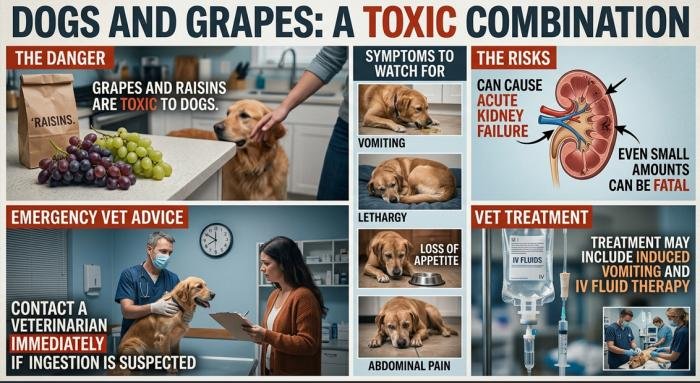
Can Dogs Eat Grapes Risks, Symptoms & Vet Advice
If you’re a dog owner, you’ve probably wondered whether certain human foods are safe for your pet. One common question that frequently comes up is: can dogs eat grapes?
The short answer is no. Grapes are toxic to dogs and can lead to serious health complications, including acute kidney failure. What makes this especially concerning is that even a small amount may cause severe reactions in some dogs, while others may appear unaffected. Because there is no known safe quantity, veterinarians strongly advise keeping grapes and raisins away from dogs at all times.
In this comprehensive guide, you’ll learn why grapes are dangerous, the symptoms of grape toxicity, what to do if your dog accidentally eats grapes, safe fruit alternatives, and expert veterinary recommendations to help keep your pet healthy.
Read More: Latest Tech Devices FNTKDevices Innovations, Features & Trends
Can Dogs Eat Grapes The Quick Answer
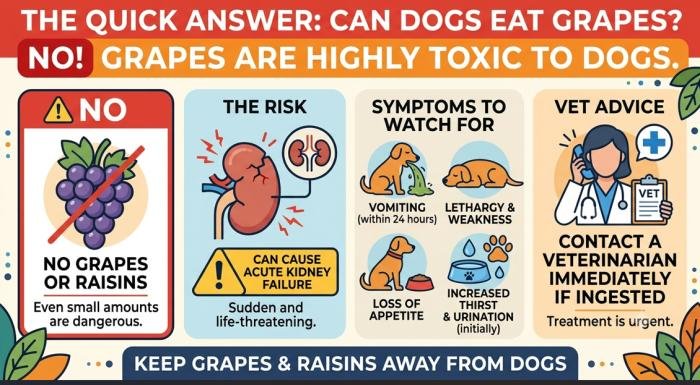
Many pet owners ask, can dogs eat grapes as an occasional treat? The answer is an emphatic no.
Grapes, raisins, currants, and foods containing these ingredients can be highly toxic to dogs. Veterinary experts have documented cases where ingestion resulted in kidney damage and life-threatening complications.
Even though researchers have not identified the exact substance responsible for toxicity, the evidence is clear: dogs should never be fed grapes intentionally.
Featured Snippet Answer
Can dogs eat grapes?
No. Grapes are toxic to dogs and can cause vomiting, diarrhea, kidney damage, and potentially fatal kidney failure. If your dog eats grapes, contact a veterinarian immediately.
Why Are Grapes Toxic to Dogs?
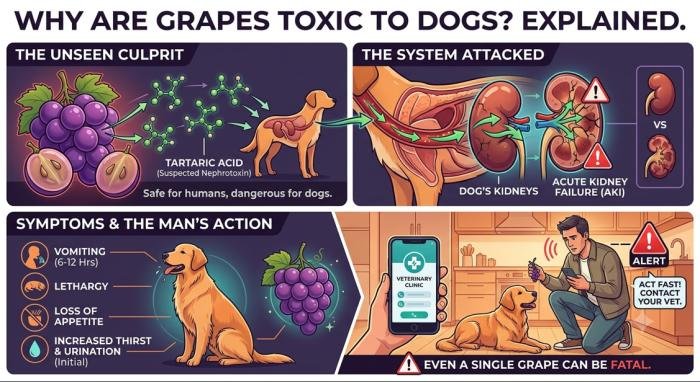
One of the most puzzling aspects of grape toxicity is that scientists still do not fully understand what makes grapes dangerous for dogs.
Researchers have proposed several theories over the years, including:
- Natural compounds found in grapes
- Tartaric acid sensitivity
- Metabolic differences in dogs
- Individual genetic susceptibility
Regardless of the exact cause, veterinary evidence consistently shows that grapes can trigger serious illness.Unlike many food-related toxicities that depend on body weight, grape poisoning can be unpredictable.
A dog may become severely ill after eating only a few grapes.This unpredictability is one reason veterinarians take every case seriously.
What Happens When a Dog Eats Grapes?
When owners ask can dogs eat grapes, they often don’t realize how quickly problems can develop.After ingestion, toxic compounds may begin affecting the dog’s body within hours. The kidneys are particularly vulnerable.
The progression often follows this pattern:
- Digestive upset develops.
- Dehydration may occur.
- Kidney function begins to decline.
- Acute kidney failure becomes possible.
- Severe cases may become life-threatening.
Prompt treatment significantly improves the chances of recovery.
Symptoms of Grape Poisoning in Dogs
Recognizing symptoms early can save your dog’s life.
Early Symptoms: The first signs often appear within 6 to 12 hours.
Common early symptoms include:
- Vomiting
- Diarrhea
- Loss of appetite
- Excessive drooling
- Lethargy
- Weakness
Moderate Symptoms: As toxicity progresses, dogs may experience:
- Abdominal pain
- Increased thirst
- Dehydration
- Reduced activity levels
Severe Symptoms: Advanced poisoning can result in:
- Reduced urination
- Complete lack of urination
- Severe weakness
- Tremors
- Kidney failure
- Collapse
If any of these symptoms occur, emergency veterinary care is necessary.
How Many Grapes Are Dangerous for Dogs?
Many people wonder whether one grape is truly dangerous.The reality is that no veterinarian can guarantee a safe amount.
Some dogs have developed severe complications after consuming only a small quantity, while others have eaten more without immediate symptoms.
This uncertainty explains why experts answer the question can dogs eat grapes with a firm no rather than discussing “safe” portions.
Factors influencing risk include:
- Dog size
- Age
- Existing health conditions
- Individual sensitivity
- Amount consumed
Because there is no predictable threshold, every grape ingestion should be treated seriously.
Grape Toxicity Risk Table
| Factor | Risk Level |
| 1–2 grapes consumed | Potentially dangerous |
| Small breed dog | Higher risk |
| Puppy | Higher risk |
| Senior dog | Higher risk |
| Existing kidney disease | Very high risk |
| Immediate veterinary treatment | Better prognosis |
| Delayed treatment | Increased complications |
What Should You Do If Your Dog Eats Grapes
If you’re asking can dogs eat grapes because your dog just ate some, time is important.
Step 1: Stay Calm
Panicking won’t help. Gather information.
Try to determine:
- How many grapes were eaten
- When ingestion occurred
- Your dog’s weight
- Any symptoms present
Step 2: Contact a Veterinarian Immediately
Do not wait for symptoms.
Many serious cases begin with no visible signs.
Call:
- Your regular veterinarian
- An emergency animal hospital
- A pet poison helpline
Step 3: Follow Professional Instructions
Your veterinarian may recommend:
- Inducing vomiting
- Examination
- Blood testing
- Hospitalization
- Intravenous fluids
Never induce vomiting without professional guidance.
Step 4: Monitor Closely
Even if your dog appears normal, symptoms can develop later.
Watch for:
- Vomiting
- Lethargy
- Changes in urination
- Loss of appetite
How Veterinarians Diagnose Grape Toxicity
Veterinarians use several methods to assess poisoning severity.
Physical Examination: A complete exam helps identify dehydration, weakness, and other warning signs.
Medical History: Your veterinarian will ask:
- What was eaten?
- How much was consumed?
- When did it happen?
Blood Testing: Blood tests help evaluate:
- Kidney function
- Electrolyte levels
- Organ health
Urinalysis: Urine testing provides additional information about kidney performance.
Ongoing Monitoring: Many dogs require repeated testing over several days.
Treatment Options for Dogs That Eat Grapes
Treatment depends on timing and symptom severity.
Induced Vomiting: If ingestion was recent, the veterinarian may remove grapes from the stomach before absorption occurs.
Activated Charcoal: In some situations, activated charcoal may be used to reduce toxin absorption.
Intravenous Fluid Therapy: Fluids help:
- Protect kidney function
- Maintain hydration
- Flush toxins
Hospitalization: Moderate to severe cases often require intensive monitoring.
Kidney Support: Dogs experiencing kidney damage may need ongoing treatment and follow-up care.
Can Dogs Eat Raisins
Many dog owners who ask can dogs eat grapes also wonder whether raisins are any safer. Unfortunately, the answer is no.
Raisins are simply dried grapes, and they contain the same toxic compounds that make grapes dangerous for dogs. In fact, raisins may pose an even greater risk because they are more concentrated than fresh grapes. A small handful of raisins can contain the equivalent of many grapes, increasing the potential for toxicity.
Just like grapes, raisins can cause serious health problems, including vomiting, diarrhea, lethargy, dehydration, and acute kidney failure. Since there is no known safe amount, veterinarians recommend treating any raisin ingestion as a medical emergency.
Foods That May Contain Raisins
Many pet owners are surprised to learn that raisins can be hidden in common household foods, including:
- Trail mix
- Raisin bread
- Oatmeal raisin cookies
- Breakfast cereals
- Granola bars
- Fruit cakes
- Baked goods and pastries
What Should You Do If Your Dog Eats Raisins?
If you suspect your dog has eaten raisins, contact your veterinarian immediately, even if your dog appears normal. Early treatment offers the best chance of preventing serious complications and protecting kidney function.
When considering whether can dogs eat grapes, remember that the same rule applies to raisins: both should be completely avoided and kept out of your dog’s reach at all times.
Other Grape Products Dogs Should Avoid
Many owners focus only on fresh grapes.
However, several grape-related products can also be risky.
Grape Jelly and Jam: These products may contain grape-derived ingredients and excessive sugar.
Grape Juice: Grape juice should never be offered to dogs.
Baked Goods: Some baked products contain raisins or grape ingredients.
Wine: Alcoholic beverages are dangerous for multiple reasons and should never be accessible to pets.
Safe Fruits Dogs Can Eat Instead
The good news is that many fruits are safe and nutritious alternatives.
Apples: Remove seeds and core before serving.
Blueberries: Rich in antioxidants and easy to serve as treats.
Strawberries: Provide fiber and vitamin C.
Watermelon: Seedless watermelon can be refreshing during warm weather.
Bananas: A great occasional treat when served in moderation.
Cantaloupe: Low in calories and rich in vitamins.If you’re wondering can dogs eat grapes because you’re looking for healthy treats, these alternatives are much safer options.
Common Myths About Grapes and Dogs
There are many misconceptions about grape toxicity in dogs. Unfortunately, believing these myths can put your pet’s health at serious risk. Understanding the facts can help you make safer decisions and respond quickly in an emergency.
Myth 1: My Dog Ate Grapes Before and Was Fine
Many dog owners assume that if their dog has eaten grapes in the past without showing symptoms, future exposure must also be safe. This is one of the most dangerous misconceptions.
The truth is that grape toxicity affects dogs differently. A dog that showed no reaction previously may become seriously ill after a later exposure. Because the toxic response is unpredictable, every incident should be treated as potentially dangerous.
Fact: Past tolerance does not guarantee future safety. Every exposure carries a risk.
Myth 2: Only Large Amounts Are Dangerous
Some people believe that only a large bunch of grapes can cause poisoning. However, veterinary reports have shown that even a small number of grapes or raisins may lead to severe health problems in certain dogs.
Factors such as body weight, age, overall health, and individual sensitivity can influence how a dog reacts.
Fact: Even one or two grapes may be enough to cause serious complications in some dogs.
Myth 3: Organic Grapes Are Safe
Because organic grapes are grown without certain synthetic pesticides, some owners assume they are safer for pets. Unfortunately, this is not true.
The danger is not related to pesticides or farming methods. The toxic substance appears to be naturally present in the fruit itself.
Fact: Organic grapes are just as dangerous as conventionally grown grapes.
Myth 4: Only Raisins Cause Problems
Raisins often receive more attention because they are concentrated dried grapes. However, fresh grapes can be equally harmful.
Dogs may develop symptoms after consuming either form, and both should be considered toxic.
Fact: Fresh grapes, raisins, currants, and foods containing them can all pose serious health risks.
Myth 5: If My Dog Shows No Symptoms, Everything Is Fine
Some dogs appear normal immediately after eating grapes, leading owners to believe there is no problem. However, symptoms can take several hours to develop, and kidney damage may begin before visible signs appear.
Fact: A lack of immediate symptoms does not mean your dog is safe. Veterinary advice should be sought as soon as grape ingestion is discovered.
Myth 6: Home Remedies Can Replace Veterinary Care
Online forums sometimes suggest home remedies for grape poisoning. While well-intentioned, these recommendations can delay proper treatment and worsen outcomes.
Fact: Prompt veterinary care is the safest and most effective response if a dog eats grapes or raisins.
By separating facts from myths, dog owners can better protect their pets and avoid potentially life-threatening mistakes.
Prevention Tips Every Dog Owner Should Follow
The safest approach is prevention.
Store Grapes Securely: Keep them out of reach in sealed containers.
Educate Family Members: Children should know not to share grapes with pets.
Check Food Ingredients: Many snacks contain hidden raisins.
Use Positive Training:Teach commands such as:
- Leave it
- Drop it
- Stay
These commands can prevent accidental ingestion.
Unique Expert Insights Most Articles Miss
Many online articles answer can dogs eat grapes but fail to address practical prevention strategies.
Veterinary professionals often emphasize that prevention begins with household awareness.
For example:
- Holiday gatherings increase accidental poisoning risks.
- Lunch boxes frequently contain grapes.
- Toddlers often share food with pets.
- Raisins may fall unnoticed under tables.
Creating a “pet safety zone” during parties and family events can dramatically reduce risks.
Another overlooked point is that owners should document emergency veterinary numbers before an emergency occurs. Quick access to professional advice can save valuable time.
When Should You Seek Emergency Care?
Immediate veterinary care is recommended if:
- Your dog consumed any grapes or raisins.
- Symptoms appear after ingestion.
- Your dog has pre-existing kidney disease.
- A puppy consumed grapes.
- You are unsure how many grapes were eaten.
Waiting for symptoms can reduce treatment effectiveness.
Veterinary Advice for Dog Owners
Veterinarians consistently recommend the following:
- Never intentionally feed grapes.
- Treat all grape ingestion as potentially dangerous.
- Seek professional advice immediately.
- Keep toxic foods out of reach.
- Learn basic pet first-aid principles.
Following these recommendations greatly improves pet safety.
Final Verdict: Can Dogs Eat Grapes?
After reviewing the evidence, the answer to can dogs eat grapes is clear: no.
Grapes and raisins pose a serious threat to canine health and can cause acute kidney failure in some dogs. Because there is no known safe amount and reactions vary significantly between animals, every grape ingestion should be treated as a potential emergency.
If your dog accidentally consumes grapes, contact a veterinarian immediately. Quick action can make a significant difference in treatment success and long-term health outcomes.
For healthy treats, choose safer fruits such as blueberries, apples, strawberries, or watermelon instead. By understanding the risks and practicing prevention, you can help keep your dog safe, healthy, and happy for years to come.
FAQs
Q1: Can one grape kill a dog?
Ans: While one grape may not harm every dog, there is no guaranteed safe amount. Even a single grape could potentially cause serious illness in sensitive dogs.
Q2: How long after eating grapes will symptoms appear?
Ans: Symptoms commonly develop within 6 to 12 hours, although some dogs may show signs sooner or later.
Q3: Can small dogs survive grape poisoning?
Ans: Yes, especially when treatment begins quickly. Early veterinary intervention significantly improves outcomes.
Q4: Can puppies eat grapes?
Ans: No. Puppies should never eat grapes because their smaller size may increase the risk of severe toxicity.
Q5: Are raisins more dangerous than grapes?
Ans: Raisins are considered equally dangerous and may sometimes be more concentrated sources of toxic compounds.
Q6: Can dogs eat grape jelly?
Ans: Grape jelly is not recommended because it may contain grape-derived ingredients and excessive sugar.
Q7: What fruits should dogs avoid?
Ans: Dogs should avoid grapes, raisins, currants, and any foods containing these ingredients.
Q8: Should I induce vomiting at home?
Ans: Never induce vomiting without veterinary guidance. Improper methods can cause additional complications.