

Healthy Meal and Fitness Ideas for a Family Health Challenge
Staying healthy as a family can be challenging in today’s busy world, where work, school, and daily responsibilities often leave little time for wellness. A family health challenge offers a fun and practical way for everyone to build healthier habits together.Rather than focusing on restrictive diets or intense workout programs, families can enjoy simple activities that promote nutritious eating, regular physical activity, and overall well-being.
Working toward shared health goals helps children develop positive habits while keeping adults motivated and accountable. This guide explores healthy meal ideas, fitness activities, and practical strategies that fit into busy American lifestyles.
What Is a Family Health Challenge?
A family health challenge is a structured plan that encourages family members to build healthier habits together over a specific period, such as seven, fourteen, or thirty days. The goal is not perfection. Instead, families focus on making small improvements every day. Common goals include:
- Eating more fruits and vegetables
- Drinking more water
- Exercising regularly
- Reducing screen time
- Improving sleep habits
- Spending more quality time together
Why Families Benefit From Health Challenges
Participating together offers several advantages. Benefits include:
- Improved physical health
- Better emotional well-being
- Stronger family relationships
- Reduced stress
- Increased energy levels
- Better sleep quality
- Healthier long-term habits
Who Can Participate?
A family health challenge can be adapted for everyone. Participants may include:
- Parents
- Young children
- Teenagers
- Grandparents
- Caregivers
Benefits of Combining Healthy Meals and Fitness
Nutrition and exercise work best when combined. Healthy eating fuels the body, while physical activity strengthens muscles, improves heart health, and boosts energy.
Physical Benefits
Regular healthy habits can help:
- Maintain a healthy weight
- Improve cardiovascular health
- Strengthen bones
- Support immune function
- Increase stamina
Mental and Emotional Benefits
Healthy lifestyles also improve mental wellness. Benefits include:
- Lower stress levels
- Better concentration
- Improved mood
- Reduced anxiety
- Greater confidence
Social Benefits
Families who work together often experience:
- Better communication
- Stronger bonds
- More teamwork
- Greater accountability
Read More: BetterThisFacts by BetterThisWorld Complete Guide & Insights
How to Set Up a Successful Family Health Challenge
Set Simple Goals
Avoid creating unrealistic expectations. Start with goals such as:
- Walk 30 minutes daily
- Drink eight glasses of water
- Eat vegetables at dinner
- Replace sugary drinks
Create a Weekly Schedule
Consistency matters. Assign specific days for activities. For example:
- Monday: Family walk
- Tuesday: Healthy cooking night
- Wednesday: Yoga session
- Thursday: Outdoor play
- Friday: Family dance night
- Saturday: Bike ride
- Sunday: Wellness check-in
Track Progress Together
Visual reminders help maintain motivation. Tracking methods include:
- Whiteboards
- Calendars
- Printable charts
- Mobile applications
Offer Healthy Rewards
Rewards encourage participation. Ideas include:
- Movie night
- Park visit
- Picnic day
- Family game night
Healthy Meal Ideas for a Family Health Challenge
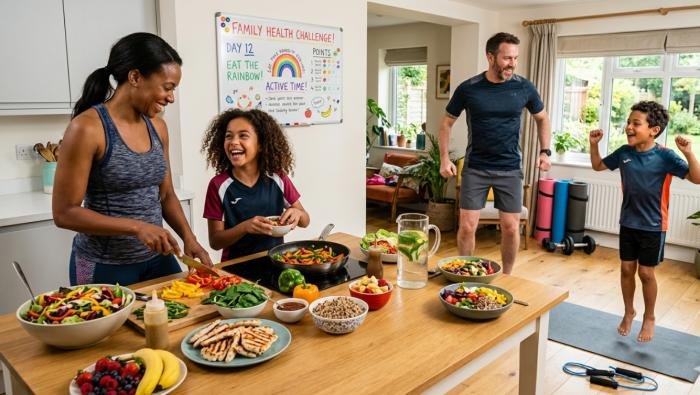
Food choices have a major impact on overall wellness. The best meals are simple, balanced, and easy to prepare.
Healthy Breakfast Ideas
Breakfast provides energy for the day ahead. Good options include:
Greek Yogurt Fruit Bowl:
Ingredients:
- Greek yogurt
- Blueberries
- Strawberries
- Granola
Benefits:
- High protein
- Rich in antioxidants
Oatmeal With Bananas and Nuts:
Ingredients:
- Oats
- Banana slices
- Almonds
- Cinnamon
Benefits:
- Supports digestion
- Provides lasting energy
Vegetable Omelet:
Ingredients:
- Eggs
- Spinach
- Tomatoes
- Mushrooms
Benefits:
- Excellent protein source
- Packed with nutrients
Avocado Toast:
Ingredients:
- Whole-grain bread
- Avocado
- Cherry tomatoes
Benefits:
- Healthy fats
- Fiber-rich
Healthy Lunch Ideas
Turkey Wrap:
Ingredients:
- Whole-wheat tortilla
- Turkey breast
- Lettuce
- Cucumbers
Chicken Salad Bowl:
Ingredients:
- Grilled chicken
- Mixed greens
- Carrots
- Quinoa
Vegetable Soup:
Ingredients:
- Carrots
- Celery
- Beans
- Tomatoes
Healthy Dinner Ideas
Dinner is an excellent opportunity for family bonding.
Baked Salmon With Vegetables:
Serve with:
- Broccoli
- Brown rice
- Sweet potatoes
Turkey Chili:
Ingredients:
- Lean turkey
- Kidney beans
- Bell peppers
- Tomatoes
Chicken Stir Fry:
Ingredients:
- Chicken breast
- Mixed vegetables
- Brown rice
Whole Wheat Pasta:
Add:
- Grilled chicken
- Spinach
- Tomato sauce
Healthy Snack Ideas:
Healthy snacks help maintain energy throughout the day. Examples include:
- Apple slices with peanut butter
- Hummus and carrots
- Cheese and whole-grain crackers
- Mixed nuts
- Fresh berries
Hydration Habits to Include
Water is often overlooked. Simple hydration goals:
- Carry reusable water bottles
- Drink water before meals
- Replace soda with infused water
Infused water ideas:
- Lemon and mint
- Strawberry and basil
- Orange and cucumber
Professional Weekly Meal and Fitness Schedule
| Day | Healthy Meal Focus | Fitness Activity | Goal |
| Monday | Oatmeal and grilled chicken salad | 30-minute walk | Build consistency |
| Tuesday | Vegetable omelet and turkey wrap | Family yoga | Improve flexibility |
| Wednesday | Salmon and vegetables | Bike ride | Boost endurance |
| Thursday | Turkey chili | Dance session | Increase movement |
| Friday | Whole wheat pasta | Outdoor games | Family bonding |
| Saturday | Smoothie bowls | Hiking | Enjoy nature |
| Sunday | Meal prep day | Light stretching | Recovery |
Family Fitness Ideas for Every Age Group
Fitness Activities for Young Children
Young children enjoy playful exercises. Ideas include:
- Jump rope
- Obstacle courses
- Dancing
- Playground games
Aim for 30 to 60 minutes daily.
Fitness Activities for Teenagers
Teenagers often enjoy challenges. Ideas include:
- Cycling
- Basketball
- Soccer
- Strength training
- Running
A family health challenge becomes more engaging when teenagers help choose activities.
Fitness Activities for Adults
Adults benefit from moderate exercise. Good options include:
- Brisk walking
- Yoga
- Resistance training
- Home workouts
- Swimming
Even 30 minutes a day can improve overall health.
Activities Everyone Can Enjoy Together
Choose activities suitable for every age group. Examples include:
- Family walks
- Hiking trails
- Gardening
- Frisbee
- Swimming
- Weekend sports
Shared activities make exercise feel less like a chore.
7-Day Family Health Challenge Plan
| Day | Challenge Theme | Goal | Description |
| Day 1 | Hydration Day | Drink 8 glasses of water | Focus on staying hydrated throughout the day by drinking enough water and avoiding sugary drinks. |
| Day 2 | Colorful Plate Day | Eat 5 servings of fruits & vegetables | Include a variety of colorful fruits and vegetables in every meal for better nutrition. |
| Day 3 | Walking Day | Walk together for 30 minutes | Take a family walk outdoors to improve fitness and spend quality time together. |
| Day 4 | Cooking Day | Prepare a healthy dinner together | Cook a nutritious meal as a family to build healthy eating habits and teamwork. |
| Day 5 | Screen-Free Evening | Reduce screen time by 1 hour | Spend time together without phones, TV, or gadgets to improve connection and relaxation. |
| Day 6 | Outdoor Adventure Day | Spend 1 hour outside | Enjoy outdoor activities like playing, hiking, cycling, or visiting a park. |
| Day 7 | Wellness Review Day | Celebrate & plan next week | Review progress, celebrate achievements, and set new health goals as a family. |
Common Challenges Families Face and How to Overcome Them
Even the most motivated households may encounter obstacles while building healthier habits. The good news is that these challenges are common and can be managed with simple adjustments.
Lack of Time
Busy schedules are one of the biggest barriers to healthy living. Parents often juggle work, school activities, appointments, and household responsibilities. Instead of trying to dedicate hours every day, focus on small changes. Solutions include:
- Preparing meals in advance
- Scheduling 20 to 30 minutes of exercise
- Choosing simple recipes
- Creating a weekly calendar
Different Food Preferences
Children, teenagers, and adults often have different tastes. Avoid preparing multiple meals every night. Instead, build meals that allow everyone to customize their plate. Examples include:
- Taco bowls
- Salad bars
- Whole-grain wraps
- Rice bowls
Staying Motivated
Motivation naturally rises and falls. Rather than relying solely on motivation, build systems that encourage participation. Helpful ideas include:
- Using progress charts
- Setting mini-goals
- Offering non-food rewards
- Celebrating milestones
Budget Concerns
Healthy living does not have to be expensive. Affordable options include:
- Buying frozen vegetables
- Purchasing seasonal fruits
- Choosing store brands
- Cooking at home
- Exercising at local parks
Healthy Habits to Continue After the Challenge
Continue Weekly Meal Planning
Meal planning reduces stress and prevents unhealthy choices. Choose one day each week to:
- Create a grocery list
- Plan dinners
- Prep ingredients
- Organize snacks
Keep Daily Physical Activity a Priority
Experts recommend 30 to 60 minutes of movement each day. Activities may include:
- Walking
- Cycling
- Dancing
- Gardening
- Playing outside
Schedule Family Wellness Check-Ins
Spend a few minutes each week discussing:
- What worked well
- Areas for improvement
- New goals
- Favorite activities
Build Sustainable Routines
Simple routines are easier to maintain. Examples include:
- Family dinners
- Evening walks
- Screen-free hours
- Weekend outdoor activities
Mistakes to Avoid During a Family Health Challenge
Many families unintentionally create obstacles by setting unrealistic expectations. Avoid these common mistakes.
Setting Unrealistic Goals
Avoid dramatic changes. Do not expect everyone to exercise for two hours every day or eliminate all treats immediately. Start small.
Focusing Only on Weight Loss
Health involves much more than a number on a scale. Focus on:
- Energy levels
- Better sleep
- Improved mood
- Stronger relationships
Using Food as Punishment
Avoid statements such as: “You cannot have dessert because you skipped exercise.” Food should never be associated with guilt or punishment.
Ignoring Rest and Recovery
Rest is essential for physical and mental health. Prioritize:
- Sleep schedules
- Relaxation
- Stress management
Comparing Family Members
Every person progresses differently. Celebrate individual achievements rather than comparing results.
Expert Tips for Making a Family Health Challenge Successful
Keep Activities Fun
People are more likely to participate when activities are enjoyable. Examples:
- Dance competitions
- Obstacle courses
- Nature walks
- Backyard games
Focus on Progress Instead of Perfection
There will be days when plans do not go as expected. Do not give up. Small improvements add up over time.
Encourage Participation Rather Than Pressure
Positive encouragement works better than forcing participation. Allow everyone to contribute ideas.
Lead by Example
Children often imitate adult behaviors. Parents can demonstrate healthy habits by:
- Drinking more water
- Exercising regularly
- Eating balanced meals
Celebrate Achievements
Recognize accomplishments, regardless of size. Celebrate:
- One week of consistency
- Trying a new vegetable
- Completing daily walks
How to Make Healthy Living Enjoyable for the Entire Family
Healthy living should never feel like a punishment. Try introducing themes each week. Examples include:
Movement Monday: Take a family walk after dinner.
Tasty Tuesday: Cook a new healthy recipe together.
Wellness Wednesday: Practice yoga or stretching.
Thoughtful Thursday: Discuss health goals.
Fitness Friday: Play outdoor games.
Social Saturday: Invite friends for a healthy activity.
Self-Care Sunday: Focus on relaxation and meal preparation.
Conclusion
Creating a healthier lifestyle does not require dramatic changes or expensive programs. Small daily actions often produce the biggest long-term results. A family health challenge helps transform healthy habits into enjoyable routines that everyone can participate in together.
By combining nutritious meals, regular movement, proper hydration, and quality family time, households can build a stronger foundation for lifelong wellness. Remember that success is not about being perfect every day. It is about making steady progress and supporting one another throughout the journey.
Start with simple goals, celebrate every achievement, and keep building healthy habits one day at a time. Over time, a family health challenge can become more than a short-term activity. It can become a lasting lifestyle that benefits every member of the family.
FAQs
Q1: What is the ideal length of a family health challenge?
Ans: A 30-day challenge is often ideal because it provides enough time to build sustainable habits without overwhelming participants.
Q2: How often should families exercise together?
Ans: Families should aim for at least three to five days of moderate physical activity each week, with 30 to 60 minutes per session.
Q3: What foods should be included in a family health challenge?
Ans: Focus on fruits, vegetables, whole grains, lean proteins, dairy products, legumes, and healthy fats.
Q4: Can young children participate?
Ans: Yes. Activities should be age-appropriate and centered around fun rather than strict goals.
Q5: How can busy parents stay consistent?
Ans: Meal planning, short exercise sessions, and scheduling activities on a family calendar can help busy parents stay on track.
Q6: Is a family health challenge expensive?
Ans: No. Many healthy habits, such as walking, home workouts, and preparing meals at home, are affordable.
Q7: Do family health challenges support weight management?
Ans: Yes. Healthy eating and regular physical activity can support long-term weight management while improving overall wellness.
Q8: What should families do if someone loses motivation?
Ans: Encourage small goals, celebrate progress, and allow family members to choose activities they enjoy.