
Social Media Stuff Embedtree What It Is, Common Issues, Fixes, and How to Use It
Social media tools like Embedtree are becoming increasingly popular among creators, businesses, and digital marketers looking for a smarter way to manage their online presence. Instead of sharing multiple links across different platforms, Embedtree allows users to combine all important content into a single, easy-to-access page.
This makes it simpler for audiences to discover videos, products, profiles, and other digital resources without confusion. By streamlining navigation and improving accessibility, Embedtree enhances user experience and helps boost engagement.
Whether you are a beginner trying to build your online presence or a professional managing multiple campaigns, Embedtree provides a powerful and organized solution for centralizing your social media content in one place.
Read More: Thesindi com Features, Content, Pros, Cons & User ExperienceIntroduction
What Is Social Media Stuff Embedtree?
At its core, social media stuff embedtree refers to a system or concept that allows users to organize links, embedded content, and important online resources in a structured and user-friendly way. Instead of forcing visitors to search through multiple profiles or websites, it presents information in one place where they can quickly access videos, articles, product pages, social accounts, or promotional campaigns. For creators and businesses, this approach can improve engagement by reducing friction and making valuable content easier to find.
Why People Use It
People often use social media stuff embedtree because audiences expect convenience. Modern users prefer simple navigation that allows them to reach desired content with minimal effort.
Who Can Benefit
The concept is useful for:
- Content creators
- Influencers
- Students
- Bloggers
- Freelancers
- Digital marketers
- Community managers
- Small business owners
- Affiliate marketers
- Online entrepreneurs
- Social media managers
- Brands seeking better audience engagement
How Social Media Stuff Embedtree Works
The basic workflow of a social media embedtree system is simple and user-friendly. It is designed to help users organize multiple online resources into one clean and accessible page. Users first collect all important digital destinations such as websites, portfolios, online stores, videos, newsletters, or downloadable resources.
These are then added into a single structured landing page or link hub. Once the page is created, it acts as a central access point for all content. Instead of visiting multiple platforms separately, users can simply click one link and choose whichever resource they need. For example, a content creator can organize their page like this:
- Latest YouTube video
- Merchandise store
- Newsletter signup form
- Online portfolio
- Brand collaboration links
- Contact information
This structure makes it much easier for audiences to explore content without confusion. It also improves engagement because users can quickly find exactly what they are looking for. Overall, this system helps creators, businesses, and marketers manage multiple digital assets in a more organized and professional way, leading to better user experience and higher interaction rates.
Main Features of Social Media Stuff Embedtree

A social media embedtree system comes with several important features that help users manage and present their online content in a more organized and efficient way.
Centralized Link Management
Instead of keeping important links scattered across different platforms, users can bring everything together in one organized hub. This makes it easier for audiences to find all content in one place without confusion.
Embedded Content Support
Many embedtree-style systems allow users to display videos, images, or external content directly within the page. This reduces extra clicks and improves the overall browsing experience.
Mobile Optimization
Since most users access social media through smartphones, mobile-friendly design is essential. A properly optimized layout ensures smooth navigation on all screen sizes.
Custom Branding
Users can personalize their page with logos, colors, images, and profile details. This helps create a strong and recognizable identity across all digital platforms.
Analytics Tracking
Built-in analytics help users understand which links get the most clicks and engagement. This data is useful for improving content strategy and performance.
Simple Content Updates
Instead of updating multiple social media profiles separately, users can manage everything from one place. This saves time and ensures all information stays up to date.
Benefits of Using Social Media Stuff Embedtree
Using social media stuff embedtree offers several practical advantages. First, it improves convenience for followers who no longer need to search across numerous platforms. Second, it creates a cleaner digital presence by organizing important resources logically.
Third, businesses can direct visitors toward promotions, products, or lead-generation campaigns more effectively. Fourth, influencers can showcase collaborations without cluttering their profiles.Finally, marketers gain flexibility when launching seasonal campaigns or updating content.
Professional Comparison
| Feature | Benefit for Users | Benefit for Businesses |
| Centralized links | Easier navigation | Better customer journeys |
| Embedded content | Faster access | Higher engagement potential |
| Mobile compatibility | Improved usability | Better mobile conversions |
| Custom branding | Consistent experience | Stronger brand identity |
| Analytics | Understand interests | Measure campaign success |
| Easy updates | Fresh information | Reduced maintenance effort |
| Organized layout | Less confusion | Improved marketing efficiency |
How to Set Up Social Media Stuff Embedtree
Step 1: Plan Your Content
Start by identifying the resources that matter most to your audience and goals. Prioritize items such as product pages, portfolios, contact forms, blog posts, educational materials, or your latest campaigns.
Step 2: Add Important Links
Include only high-value destinations that support your objectives. Focus on essential links like your website, online store, newsletter, featured content, booking page, or social profiles instead of overwhelming visitors with too many choices.
Step 3: Organize Logically
Arrange links in a clear and intuitive order, placing the most important resources near the top. Group similar items together so visitors can quickly find what they need and navigate without confusion.
Step 4: Customize the Appearance
Keep the page consistent with your brand by using professional visuals, a recognizable profile image or logo, concise descriptions, and a simple call-to-action. A clean, cohesive design helps build trust and improves the user experience.
Step 5: Test Before Publishing
Review your Embedtree on both desktop and mobile devices to ensure everything displays correctly. Click every link to confirm it works, check for broken URLs, verify any analytics or tracking if applicable, and make sure the overall experience is smooth before sharing it publicly.
Best Practices
Prioritize Your Most Important Resources
Place your highest-value or most frequently used links at the top so visitors can access them immediately and take action faster.
Use Clear Labels
Give each button or link a descriptive title that clearly explains where it leads. Avoid vague wording that may confuse users.
Review Regularly
Check your Embedtree periodically to remove outdated campaigns, fix broken links, and keep information accurate and relevant.
Optimize for Mobile Users
Use large, easy-to-tap buttons, readable text, and a clean layout that performs well on smartphones and tablets.
Monitor Analytics
Review click data and user engagement regularly to identify popular resources, refine link placement, and make informed improvements over time.
Common Issues With Social Media Stuff Embedtree
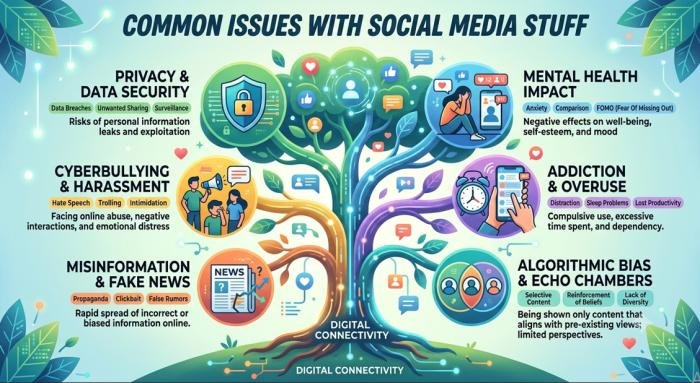
Even well-designed Embedtree pages can experience problems from time to time. Identifying and addressing these issues helps maintain a smooth experience for visitors.
Broken Links
URLs may change or become unavailable over time, resulting in errors or missing pages. Review your links regularly and replace or remove any that no longer work.
Content Not Loading
External websites or services may temporarily experience downtime or restrict embedded content, preventing certain resources from displaying correctly.
Slow Performance
Large images, videos, or excessive content can increase loading times. Compress media files and keep your page streamlined for better performance.
Mobile Formatting Problems
Layouts may appear differently across smartphones and tablets. Test your page on multiple screen sizes to ensure it remains easy to navigate.
Permission Restrictions
Private or access-restricted resources cannot always be viewed by the public. Confirm that any content you want to share has the appropriate visibility settings.
Outdated Information
Old promotions, expired campaigns, or obsolete resources can confuse visitors. Update your page regularly to keep links and information accurate.
How to Fix Common Problems
Check Every Link: Test all links regularly to ensure they direct visitors to the correct destination and do not produce errors or broken pages.
Reduce Heavy Media: Compress images and limit unnecessary large files or videos to improve page loading speed and overall performance.
Verify Permissions: Confirm that any external resources you want to share are publicly accessible and have the appropriate visibility settings.
Test Across Browsers: Review your Embedtree in multiple browsers and on different devices to identify formatting or compatibility issues before they affect visitors.
Keep Everything Updated: Perform routine maintenance by replacing outdated information, removing expired campaigns, and fixing broken links to maintain accuracy.
Simplify the Layout: Avoid unnecessary clutter by displaying only essential resources. A clean, organized layout often loads faster and makes navigation easier for users.
SEO and Marketing Tips
For creators and businesses in the USA, optimizing your Embedtree can improve visibility, engagement, and conversions.
Use descriptive labels: Replace vague text like “Click Here” with specific titles that clearly explain what users will find after clicking.
Prioritize important links: Position your most valuable resources, such as product pages, portfolios, or lead-generation content, near the top of the page.
Maintain consistent branding: Use the same logos, colors, messaging, and visual style across every linked destination to create a cohesive user experience.
Track campaign performance: Apply campaign tracking parameters where appropriate and review click data to understand which resources generate the best results.
Promote seasonal content strategically: Highlight limited-time offers or campaigns with temporary placements, and remove expired promotions promptly to avoid confusing visitors.
Refresh content regularly: Update links, descriptions, and featured resources on a routine basis to keep information accurate and demonstrate that your page remains active and relevant.
Keep the layout simple: Avoid overcrowding the page with unnecessary links so visitors can quickly find the content that matters most.
Common Mistakes to Avoid
Many users reduce effectiveness by making avoidable errors.
- Including dozens of unnecessary links
- Forgetting mobile optimization
- Ignoring accessibility
- Using confusing titles
- Neglecting updates
- Publishing without testing
- Prioritizing design over usability
Advanced Tips for Experienced Users
Professionals can maximize the effectiveness of their Embedtree by using a more strategic approach to organization and optimization.
Segment your audience: Group educational resources, product pages, portfolios, and commercial offers separately so visitors can quickly find content relevant to their needs.
Review analytics regularly: Analyze click data and user behavior each month to identify high-performing resources and opportunities for improvement.
Rotate featured campaigns: Update highlighted links based on seasonal promotions, product launches, or marketing priorities to keep the page fresh and relevant.
Maintain visual consistency: Use consistent branding, messaging, and design elements so users immediately recognize your identity across every linked destination.
Keep navigation simple: As your content library grows, avoid overcrowding the page and organize links in a logical, easy-to-follow structure.
Experiment and refine: Test different link orders, labels, or featured sections and use performance data to continuously improve user engagement and conversions.
Use Cases Across Different Audiences
Social media stuff Embedtree can be adapted to meet the needs of various users and organizations.
Creators: Highlight recent videos, livestream schedules, sponsorships, merchandise, and featured content in one convenient location.
Small businesses: Showcase products, booking pages, customer support resources, contact information, and limited-time promotions to guide potential customers.
Students: Organize portfolios, research projects, resumes, scholarship applications, and academic achievements for easy sharing.
Freelancers: Display service packages, client testimonials, case studies, pricing details, and contact information to attract new clients.
Bloggers and affiliate marketers: Feature popular articles, recommended resources, newsletters, and curated content to increase engagement and referrals.
Community managers: Direct members to event schedules, community guidelines, announcements, discussion platforms, and helpful resources from a centralized page.
Conclusion
A well-organized digital presence saves visitors time and creates a more professional experience. By using social media stuff embedtree thoughtfully, creators, marketers, businesses, and everyday users can centralize important resources, improve navigation, and support stronger audience engagement.
Regular maintenance, careful organization, mobile optimization, and periodic testing help ensure long-term success. Rather than overwhelming users with scattered links, a structured approach makes it easier for audiences to find valuable content and interact with your brand or personal profile more effectively.
FAQs
Q1: What is social media stuff embedtree?
Ans: It is a way of organizing links and embedded digital resources into one accessible location so visitors can easily find important content.
Q2: Who should use social media stuff embedtree?
Ans: It can benefit creators, influencers, marketers, businesses, bloggers, freelancers, students, and anyone managing multiple online resources.
Q3: Can beginners use social media stuff embedtree effectively?
Ans: Yes. Even users with limited technical knowledge can organize links and present information clearly by following basic best practices.
Q4: Why might embedded content fail to display?
Ans: Common causes include permission restrictions, unsupported formats, incorrect URLs, or external platform limitations.
Q5: How often should links be updated?
Ans: Review them regularly, especially after campaigns end or websites change, to ensure visitors always reach current information.
Q6: Does mobile optimization matter?
Ans: Absolutely. A large percentage of users access social content on smartphones, making responsive layouts extremely important.
Q7: How can analytics improve results?
Ans: Analytics reveal which resources attract the most engagement, helping creators and businesses refine their strategies over time.