Best Mattress for Low Back Pain and Sciatica: How to Choose Well
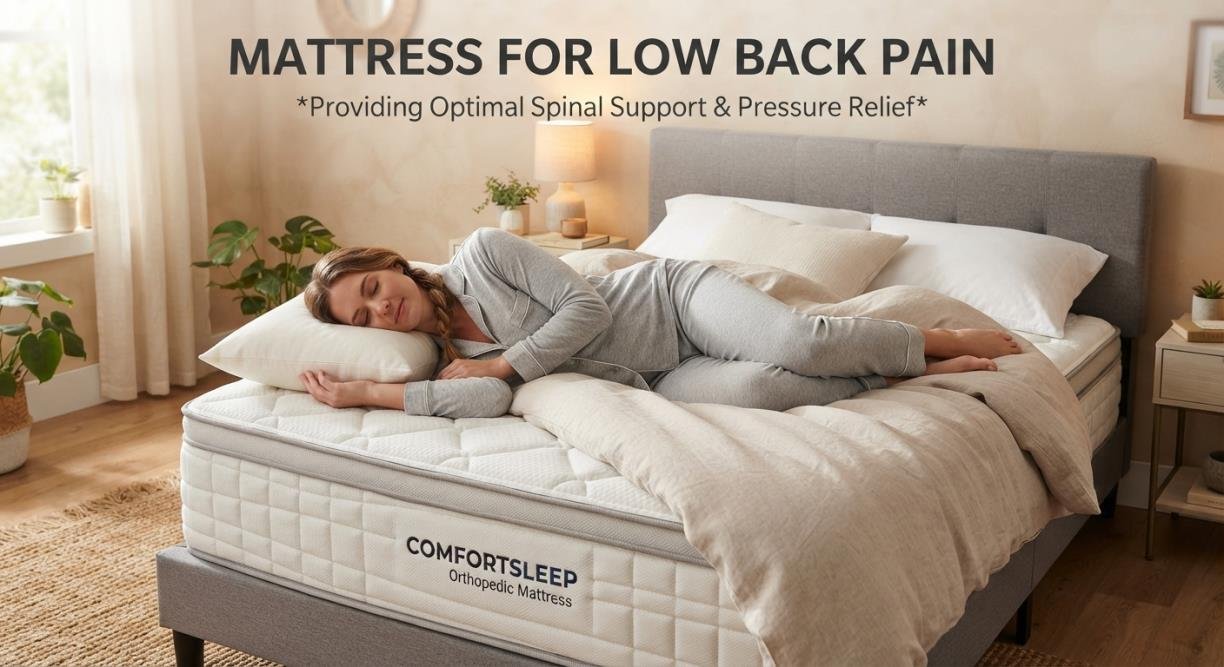
Waking up with a stiff lower back is frustrating. Waking up with pain that travels from your lower back into your hip, buttock, or leg can make sleep even more difficult. When this happens night after night, your mattress may seem like the obvious place to start. Best mattress for low back pain and sciatica is not simply a matter of buying the hardest mattress available.
Research generally points toward medium-firm support as a sensible starting point for many adults with nonspecific low back pain. A randomized clinical trial found better outcomes with medium-firm mattresses than very firm mattresses, while later reviews have also reported benefits associated with medium-firm surfaces.
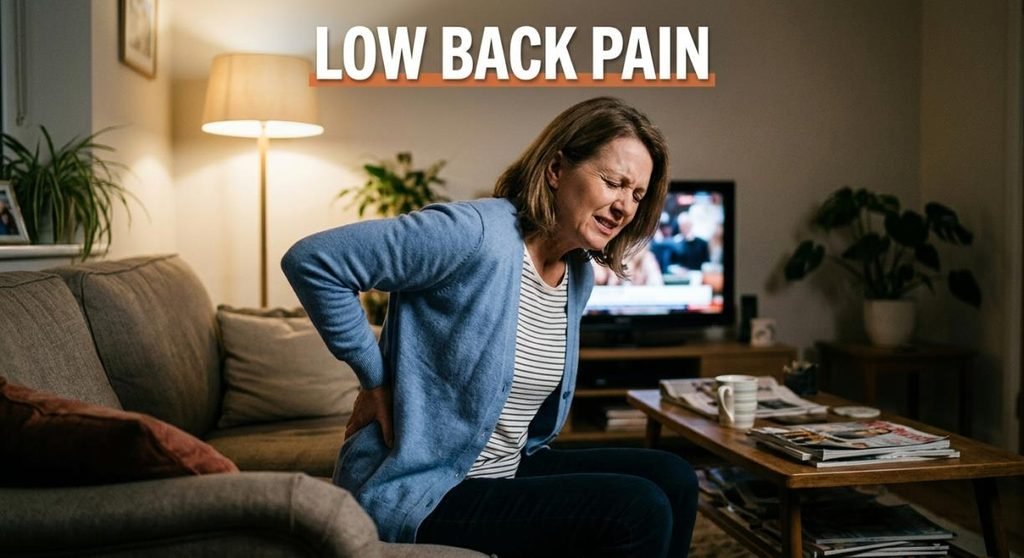
At the same time, sciatica is different from ordinary lower back pain. It involves irritation or compression of the sciatic nerve and can produce pain, tingling, numbness, or weakness that travels into the leg. A mattress cannot correct the underlying cause of sciatica, but a supportive sleep surface may make it easier to maintain a comfortable position during the night. The right choice depends on your sleeping position, body shape, preferred feel, pressure sensitivity, and the condition of your current mattress.
Read more: Simplifydiggs com: Website Guide, Content, Safety & Trust Review
Can a Mattress Really Help With Low Back Pain and Sciatica?
Your mattress is not a treatment for sciatica. However, it can affect how your body is supported for several hours every night. The best mattress for low back pain and sciatica that allows your hips to sink excessively may leave your spine in an uncomfortable position. On the other hand, a surface that is extremely hard may create uncomfortable pressure around the shoulders, hips, and other contact points.
Research on mattresses and back pain has not identified one universal design that works for everyone. However, systematic reviews have repeatedly found that medium-firm mattresses can promote comfort, sleep quality, and spinal alignment for many people with low back pain.
For sciatica, comfort and positioning are particularly important. Cleveland Clinic guidance notes that some people with sciatica sleep more comfortably on their back or side, while there is no single sleeping position that works for everyone. So rather than asking, “What is the hardest mattress I can buy?” a better question is:
What Mattress Firmness Is Best for Back Pain?
For many people, medium-firm is a good starting point. A landmark randomized trial involving adults with chronic nonspecific low back pain compared firm and medium-firm mattresses. After 90 days, the medium-firm group had better results for pain while lying in bed, pain when getting up, and disability.
More recent evidence also supports medium-firm mattresses as a general recommendation for adults with nonspecific low back pain or morning stiffness, although individual preferences and body characteristics still matter. That does not mean every person with sciatica should buy a mattress labeled “medium-firm.”
Best mattress for low back pain and sciatica manufacturers do not use one universal firmness standard. One company’s medium may feel noticeably different from another company’s medium. Your goal should be a surface that:
- Supports your hips and lower back
- Does not allow your body to sink excessively
- Does not create painful pressure points
- Lets you maintain a comfortable spinal position
- Feels comfortable in your normal sleeping position
Too Soft vs. Too Firm
Best mattress for low back pain and sciatica that is too soft may allow your pelvis to sink deeper than the rest of your body. This can make your sleeping position feel unstable. A mattress that is too firm may prevent your shoulders and hips from settling comfortably, especially if you sleep on your side. This is why “firmer” does not automatically mean “better for back pain.”
Mattress Features That Matter for Sciatica
Firmness is important, but it is only one part of the decision.
| Mattress Feature | Why It Matters for Low Back Pain and Sciatica |
| Medium-firm support | Can provide a balance between support and cushioning |
| Pressure relief | Helps reduce uncomfortable pressure around hips and shoulders |
| Spinal support | Helps keep your body in a comfortable, neutral position |
| Motion isolation | Useful when a partner’s movement interrupts sleep |
| Edge support | Makes getting in and out of bed easier and provides more usable surface area |
| Temperature control | Can improve comfort if you tend to sleep hot |
Spinal Support
Best mattress for low back pain and sciatica should prevent excessive sinking while still allowing your body to settle naturally. The ideal feeling is not necessarily “hard.” Instead, your hips, shoulders, and lower back should feel supported without obvious gaps or excessive sinking.
Pressure Relief
Pressure relief becomes particularly important for side sleepers. When sleeping on your side, your shoulder and hip carry much of your body weight. Best mattress for low back pain and sciatica with some cushioning can reduce uncomfortable pressure while its support layer keeps your body from sinking too deeply.
Motion Isolation
Motion isolation does not directly treat sciatica, but it can matter if you share your bed. Frequent movement from a partner can interrupt sleep, and poor sleep can make coping with pain more difficult. A mattress that limits motion transfer may therefore improve overall sleeping comfort.
Edge Support
Good edge support can make it easier to sit on the side of the bed and stand up. This can be useful if getting out of bed is uncomfortable because of lower back or leg pain.
Temperature Regulation
Overheating can make it harder to stay asleep. Memory foam can sometimes retain more heat than other materials, although modern designs use different constructions to improve airflow. Latex and many hybrid mattresses can also offer useful temperature characteristics.
Best Mattress Types for Low Back Pain and Sciatica
Best mattress for low back pain and sciatica material that is medically proven to be the best for every person with sciatica. The construction and feel of the mattress matter more than the marketing label.
Memory Foam
Memory foam is popular because it can contour around the body and distribute pressure. For side sleepers, this cushioning can feel comfortable around the shoulders and hips. However, very soft memory foam may allow some people to sink too deeply. If you choose memory foam, pay attention to how easily you can change positions and whether your hips feel adequately supported.
Latex
Latex generally has a more responsive feel than traditional memory foam. It can provide cushioning while making it easier to move and change positions. Some people also prefer latex because it tends to feel cooler and less “stuck” than deeply contouring foam.
Hybrid
Hybrid mattresses combine coils with foam or other comfort materials. This construction can offer a useful balance of support, pressure relief, responsiveness, and airflow. For shoppers who want support without the deep sinking sensation of some all-foam mattresses, a hybrid may be worth considering.
Innerspring
Traditional innerspring mattresses can provide strong support, but the comfort layer matters. Best mattress for low back pain and sciatica with very little cushioning may feel uncomfortable to a side sleeper, while one with an appropriate comfort layer may provide a better balance. Rather than choosing a mattress solely because it contains coils, foam, or latex, evaluate the complete construction and how it feels under your body.
Choose a Mattress Based on Your Sleeping Position
Your normal sleeping position should play a major role in your choice.
Side Sleepers
Side sleeping can be comfortable for people with sciatica, and some may find relief by sleeping on the side opposite the painful leg. Cleveland Clinic recommends maintaining a comfortable position and using pillows strategically to support the body.
A side sleeper usually benefits from enough cushioning around the shoulder and hip while still receiving adequate support underneath the pelvis. A pillow between the knees can also help keep the hips in a more comfortable position. If your mattress is extremely firm and your shoulder or hip feels compressed, adding some cushioning may help.
Back Sleepers
Back sleeping can make it easier to maintain a relatively neutral spinal position. If you sleep on your back, try placing a pillow beneath your knees. This can make the position more comfortable for some people by reducing strain around the lower back. Your mattress should support the lower back without allowing the pelvis to sink excessively.
Stomach Sleepers
Stomach sleeping can be challenging when dealing with lower back pain because it may increase the arch in your lower back and requires you to turn your head to one side.
For many people with back or sciatic symptoms, another position may be more comfortable. However, individual responses differ. If stomach sleeping is the only position that provides relief, comfort should still be considered rather than forcing yourself into a position that increases pain.
How to Test a Mattress Before Buying
A mattress can feel excellent for five minutes in a showroom and completely different after eight hours. Whenever possible, choose a mattress with a meaningful home trial period. During the trial, pay attention to:
- How your lower back feels when you wake up
- Whether pain is worse or better after sleeping
- Whether your hips sink too far
- Whether your shoulders and hips feel pressured
- How easily you change positions
- Whether you sleep comfortably throughout the night
- Whether you feel unusually stiff in the morning
Do not judge a mattress based on the first few minutes alone.
Signs Your Current Mattress May Be Making Back Pain Worse
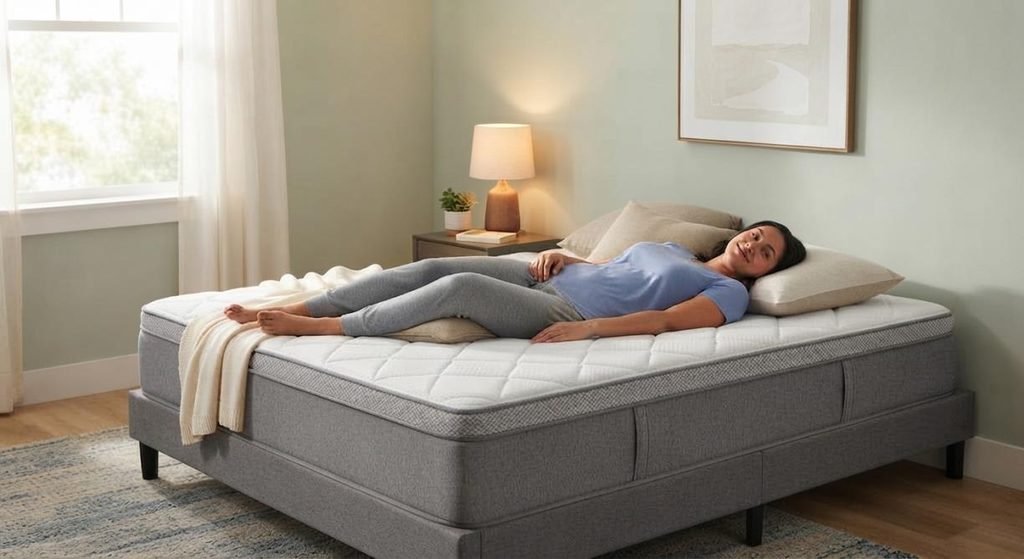
Before spending money on a new mattress, inspect the one you already own. Visible sagging is an obvious warning sign. You may also notice that you consistently wake with more stiffness after sleeping in your own bed but feel better after sleeping somewhere else. Other signs include:
- A visible depression where you normally sleep
- Uneven support
- Springs that are noisy or uncomfortable
- A feeling that your hips sink lower than your shoulders
- Increased morning stiffness
- Difficulty finding a comfortable sleeping position
- A mattress that has become noticeably less supportive over time
Mattress Buying Mistakes to Avoid
Choosing the Hardest Mattress Available
A common assumption is that a very firm mattress must be better for the lower back. Research does not support that as a universal rule. In the randomized trial discussed earlier, medium-firm mattresses produced better outcomes than firm mattresses among adults with chronic nonspecific low back pain.
Ignoring Your Sleeping Position
Best mattress for low back pain and sciatica that works beautifully for a back sleeper may feel uncomfortable for a side sleeper. Think about how you actually sleep rather than how you wish you slept.
Buying Without a Trial Period
Mattress comfort is highly personal. A home trial gives you a much better opportunity to evaluate whether the mattress works for your body.
Assuming a Higher Price Means Better Support
A more expensive mattress is not automatically more suitable for back pain. Focus on construction, support, comfort, durability, trial terms, and how your body responds.
Staying in Bed All Day Because of Sciatica
Rest can feel tempting when your leg hurts, but prolonged bed rest is generally not recommended for sciatica. NHS guidance encourages maintaining activity and changing position rather than spending long periods lying down.
When Back or Leg Pain Needs Medical Attention
A mattress is only one part of the picture. Sciatica can have different causes, and persistent or worsening symptoms may need professional evaluation. Seek medical advice if your pain is getting worse, interfering substantially with normal activities, or not improving with appropriate self-care.
Certain symptoms require urgent attention. These include significant or worsening weakness or numbness in both legs, numbness around the genital or anal area, or difficulty starting urination, inability to urinate, or loss of bladder control. Do not assume that severe symptoms are simply a mattress problem.
If you have persistent back pain, leg pain, numbness, tingling, or weakness, a qualified healthcare professional can help determine the underlying cause and appropriate treatment.
Final Thoughts
Best mattress for low back pain and sciatica is less about buying the hardest or most expensive model and more about finding the right balance of support, pressure relief, and comfort for your body. For many people, a medium-firm mattress is a reasonable place to start. Research supports its use for nonspecific low back pain, while individual factors such as sleeping position and body shape still influence comfort.
Pay close attention to how your back and legs feel after sleeping, not just how the mattress feels in a showroom. If your current mattress is sagging or uncomfortable, a replacement or carefully chosen topper may help improve your sleep experience. Most importantly, remember that a mattress can support comfortable sleep, but it cannot diagnose or treat the underlying cause of sciatica. Persistent, worsening, or severe symptoms deserve appropriate medical attention.
FAQs about best mattress for low back pain and sciatica
Q1: What is the best mattress for low back pain and sciatica?
Ans: A medium-firm mattress often provides balanced support and pressure relief, making it practical for many sleepers.
Q2: Is a firm mattress better for sciatica?
Ans: Not always. Extremely firm mattresses may create pressure points, while medium-firm surfaces can provide better comfort.
Q3: Is a medium-firm mattress good for lower back pain?
Ans: Yes, medium-firm mattresses can balance spinal support and cushioning, potentially improving comfort for people with back pain.
Q4: What is the best mattress for side sleepers with sciatica?
Ans: Side sleepers often benefit from medium-firm mattresses offering pressure relief around shoulders and hips while maintaining proper support.
Q5: Can a bad mattress make sciatica worse?
Ans: An unsupportive or sagging mattress can increase discomfort and make maintaining a comfortable sleeping position more difficult.
Q6: Should I sleep on my back or side with sciatica?
Ans: Both positions can work; choose whichever reduces discomfort while keeping your spine and hips comfortably supported.
Q7: Does memory foam help with lower back pain?
Ans: Memory foam can provide pressure relief, but mattress firmness and overall construction are equally important.