
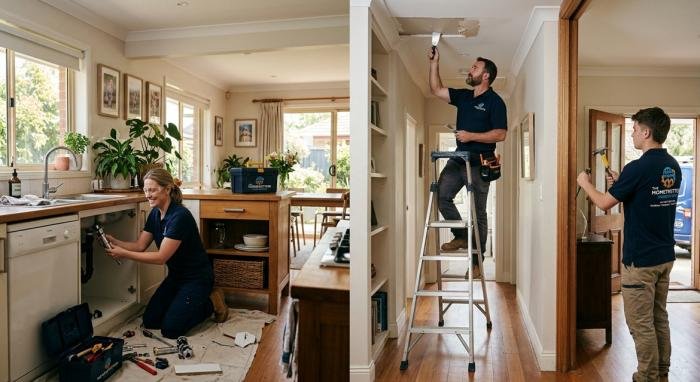
Thehometrotters Homerepairs: Smart Tips for Home Repair and Maintenance
Thehometrotters Homerepairs: Smart Tips for Home Repair and Maintenance provides a practical approach to keeping your home safe, comfortable, and well-maintained. Every home needs regular attention, from fixing minor plumbing issues to checking doors, windows, walls, and electrical systems.
Taking care of these tasks early can help prevent costly damage and make everyday living more convenient. With the right maintenance habits, useful tools, and a clear plan, homeowners can manage common repair needs and protect their property’s long-term value.
Why Regular Home Repair and Maintenance Matter
Every home experiences normal wear and tear. Doors become loose, paint begins to peel, plumbing fixtures develop leaks, and appliances gradually lose efficiency. These problems may seem minor at first, but neglecting them can lead to larger expenses and unnecessary inconvenience.
Read More: Pinoroduct com: Online Platform Features and Website Information
Regular maintenance allows homeowners to identify issues before they become serious. For example, repairing a small roof leak early can prevent water from damaging ceilings, insulation, and wooden structures. Similarly, replacing a damaged window seal can help reduce drafts and maintain indoor comfort.
Another benefit is improved safety. Faulty wiring, slippery floors, loose stair railings, and blocked ventilation systems can create hazards for residents. Routine inspections help identify these risks and provide opportunities to correct them before accidents occur.
A well-maintained home also looks more appealing. Clean surfaces, functioning fixtures, fresh paint, and properly maintained outdoor areas create a pleasant living environment. These improvements can be especially valuable if you plan to sell or rent your property in the future.
Essential Home Maintenance Tasks Every Homeowner Should Know
Maintaining a house becomes easier when you divide responsibilities into manageable tasks. Instead of waiting for something to break, create a routine that covers the most important areas of your property.
1. Inspect the Roof and Ceiling
The roof protects your home from rain, sunlight, wind, and other environmental conditions. Damaged shingles, loose roofing materials, blocked drainage channels, and deteriorated flashing can allow water to enter the building.
Check for water stains on ceilings and walls, particularly after heavy rainfall. These marks may indicate a leak that needs further investigation. From the ground, look for visibly damaged roofing materials and ensure that gutters are not overflowing.
Avoid climbing onto a roof unless you have the proper equipment and training. Roof inspections can be dangerous, especially when surfaces are wet or unstable. Contact a qualified roofing professional if you notice structural damage, persistent leaks, or loose materials.
2. Maintain Plumbing Fixtures
Plumbing problems are among the most common household maintenance concerns. A dripping faucet, running toilet, or leaking pipe can waste water and increase utility costs.
Inspect the visible pipes beneath sinks, around toilets, and near water heaters. Look for moisture, corrosion, unusual odors, and signs of mold. Tightening an appropriate connection or replacing a worn washer may solve a simple problem, provided you know how to shut off the water safely.
Do not ignore a sudden drop in water pressure or unexplained dampness on walls and floors. Hidden leaks can damage building materials and encourage mold growth. Persistent blockages, burst pipes, and leaks inside walls should be handled by a licensed or otherwise qualified plumber.
3. Keep Electrical Systems Safe
Electrical maintenance requires particular attention because mistakes can cause fires, electric shocks, and serious injuries. Check that switches, outlets, and visible cables show no signs of scorching, cracking, or damage.
Avoid overloading extension cords and power strips. Keep electrical appliances away from water, and stop using any device that produces a burning smell, unusual sparks, or excessive heat.
Homeowners should never attempt repairs inside electrical panels or work on live wiring without appropriate qualifications. If breakers trip repeatedly, outlets become hot, or lights flicker persistently, arrange an inspection by a qualified electrician.
4. Clean and Maintain Ventilation Systems
Good ventilation helps control indoor moisture, reduce unpleasant odors, and support a healthier living environment. Kitchen exhaust fans, bathroom ventilation fans, and air-conditioning filters require regular attention.
Remove dust from accessible vents and clean or replace filters according to the manufacturer’s instructions. Ensure that bathroom fans work properly, especially in rooms where showers produce significant moisture.
If condensation frequently appears on windows or mold develops in corners, investigate the source of excess moisture. Cleaning the visible mold alone will not solve the problem if a leak or ventilation issue remains.
A Practical Home Maintenance Schedule
| Maintenance Task | Recommended Frequency | Main Benefit |
| Inspect faucets and visible pipes | Monthly | Detect leaks early |
| Test smoke alarms | Monthly | Improve fire safety |
| Clean kitchen and bathroom exhaust fans | Every 1–3 months | Improve ventilation |
| Inspect doors and windows | Every 3–6 months | Identify drafts and damage |
| Clean air-conditioning filters | As recommended by the manufacturer | Support airflow and efficiency |
| Inspect roof and gutters | At least twice a year and after severe weather when safe | Reduce water damage |
| Check exterior walls and paint | Every 6–12 months | Identify moisture and surface damage |
| Review plumbing and drainage | Every 6 months | Reduce blockage risks |
| Arrange professional system inspections | According to system requirements | Identify technical problems |
Smart Ways to Handle Minor Home Repairs
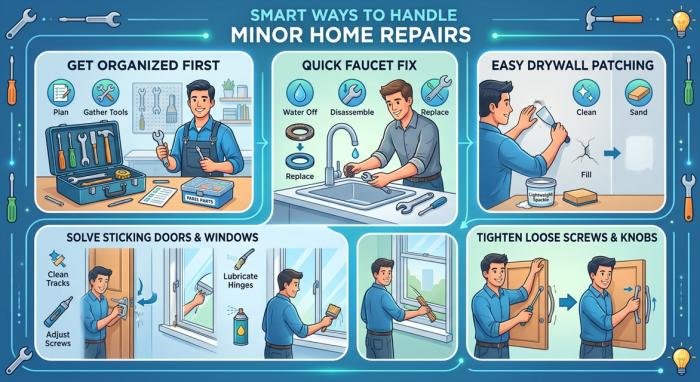
Many minor household repairs can be completed without hiring a contractor. However, successful DIY work requires preparation, patience, and an honest assessment of your abilities.
Fix Small Wall Cracks and Paint Damage
Small surface imperfections can make rooms appear neglected. Begin by determining whether the crack is limited to the paint or plaster or whether it may indicate a structural issue. For minor cosmetic damage, remove loose material, prepare the surface, apply an appropriate filler, and allow it to dry according to the product instructions.
Sand the repaired area gently, remove dust, and apply a suitable primer and paint. Do not simply cover cracks that are widening, recurring, accompanied by water damage, or associated with sticking doors and windows. These symptoms may indicate movement or another underlying problem that requires professional assessment.
Repair Loose Cabinet Handles and Hinges
Cabinet handles, drawer pulls, and door hinges often become loose through everyday use. A suitable screwdriver and replacement screws may be enough to restore stability.
Check whether the screw holes are damaged before tightening the hardware. Avoid forcing a screw into a stripped hole, as this may worsen the damage. For heavier doors or cabinets, make sure the fasteners and mounting points can support the weight safely.
Replace Worn Door and Window Seals
Gaps around doors and windows allow outside air, dust, insects, and moisture to enter. Damaged weatherstripping can also make indoor temperatures less comfortable. Inspect the edges of doors and windows for visible gaps and deteriorated seals.
Replace worn weatherstripping with a compatible product and ensure that doors and windows still open and close properly. For windows that show signs of structural damage or water entering through the frame, investigate the underlying issue before applying sealant.
Address Slow Drains Carefully
Hair, soap residue, grease, and other debris can gradually restrict drainage. In some cases, removing accessible debris or cleaning a drain trap can restore normal flow.
Use drain-cleaning methods that are appropriate for your plumbing system. Avoid mixing chemical cleaners, as dangerous reactions can occur. Repeated blockages or several slow drains at the same time may indicate a problem deeper in the drainage system.
Choosing the Right Tools for Home Repairs
A basic household toolkit can make routine maintenance more convenient. You do not need to purchase every tool available; begin with equipment suited to the tasks you regularly perform. Useful items include a tape measure, screwdrivers, an adjustable wrench, pliers, a hammer, a utility knife, a flashlight, and a level. A sturdy step stool may help with low-height tasks, but ladders should be used only with appropriate precautions.
Safety equipment is equally important. Keep suitable work gloves, protective eyewear, and a dust mask for tasks that require them. Use hearing protection when working with noisy equipment. Before purchasing power tools, consider whether you will use them frequently enough to justify the cost.
Renting specialized equipment may be more economical for occasional projects. Read the instructions, use the correct accessories, and never remove safety guards. Store tools in a dry, organized location. Keep sharp objects secured and place chemicals, paints, and cleaning products out of reach of children and pets. Proper storage extends the useful life of equipment and reduces household hazards.
How to Make Home Maintenance More Affordable
Home maintenance does not have to consume your entire household budget. The most effective approach is to plan ahead, prioritize risks, and avoid delaying important repairs.
Create a Dedicated Maintenance Budget
Set aside a reasonable amount each month for routine supplies, minor repairs, and unexpected problems. The appropriate amount depends on your home’s age, condition, location, and replacement costs. Older properties may require more frequent repairs than recently built homes.
If your house has an aging roof, plumbing system, or air-conditioning unit, consider budgeting separately for future replacement. Keep receipts and records of completed work. These documents help you understand where money is going and may be useful for warranties, insurance claims, and future property transactions.
Prioritize Repairs According to Risk
Not every maintenance issue requires immediate attention. A cosmetic paint problem is usually less urgent than a leaking pipe or damaged electrical outlet. Address hazards and active damage first. Problems involving electricity, gas, structural stability, major water leaks, or fire safety should receive prompt attention from appropriate professionals.
Once urgent issues are under control, focus on preventive work that reduces future expenses. Cleaning gutters, maintaining seals, and fixing minor leaks can help prevent more expensive damage.
Compare Professional Estimates
When a repair requires professional assistance, request written estimates where practical. Compare the proposed work, materials, labor charges, warranties, and expected completion time rather than choosing a contractor based only on price.
Check relevant qualifications, references, and insurance arrangements. Ask whether permits or inspections are required for the proposed work. A very low estimate may exclude important tasks or use unsuitable materials, so make sure you understand what the quoted price covers.
Protect Your Home From Moisture and Mold
Moisture management is particularly important in humid climates and during periods of heavy rainfall. Excess moisture can damage paint, plaster, flooring, furniture, and wooden structures. It can also create conditions that support mold growth. Inspect areas around sinks, showers, washing machines, air-conditioning equipment, and exterior walls. Look for damp patches, peeling paint, musty odors, and visible mold. Check that water drains away from the building rather than collecting near the foundation.
Use bathroom and kitchen exhaust fans when appropriate, and improve airflow where possible. Dry wet surfaces promptly and repair plumbing leaks without delay. If water enters the house after a storm, document the damage and arrange suitable repairs. Wet building materials may need professional drying or replacement, depending on how long they remain damp and the extent of contamination.
Small areas of mold on suitable nonporous surfaces may sometimes be cleaned safely using appropriate precautions and product instructions. Extensive growth, recurring mold, contaminated water, or mold associated with hidden leaks may require professional remediation. Never mix bleach with ammonia or other cleaning products.
Improve Energy Efficiency Through Regular Maintenance
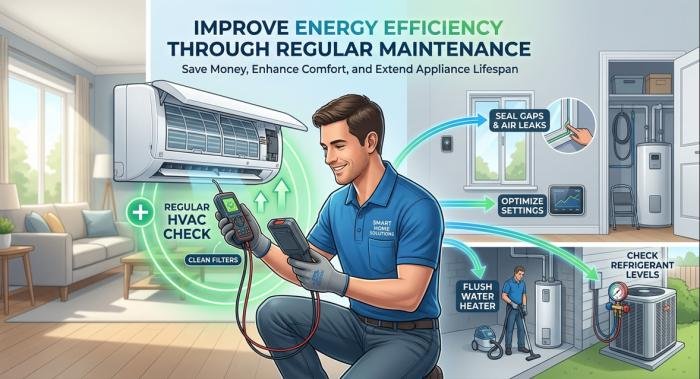
Energy efficiency can improve indoor comfort and help control household expenses. Many useful improvements involve maintaining existing equipment rather than buying expensive replacements. Clean or replace air-conditioning filters as directed by the manufacturer. Keep outdoor equipment clear of debris and arrange professional servicing when needed. Dirty filters and restricted airflow can reduce performance and place additional strain on equipment.
Inspect weatherstripping around windows and doors. Sealing suitable gaps can reduce unwanted drafts and help maintain comfortable indoor temperatures. Curtains and blinds can also help manage heat from direct sunlight. Use energy-efficient lighting where appropriate, and turn off lights and equipment when they are not needed. Check refrigerator door seals and avoid blocking appliance ventilation openings.
When replacing appliances, compare their energy ratings, expected operating costs, and suitability for your household. An energy-efficient appliance may cost more initially but can provide savings over its useful life.
Seasonal Home Maintenance Tips
Household maintenance needs change with the weather. Planning tasks around local seasonal conditions makes it easier to protect the building and prepare for changing temperatures and rainfall.
Before and During the Rainy Season
Inspect accessible drainage channels, gutters, and downspouts before periods of heavy rain. Remove leaves and debris where it is safe to do so, and confirm that water flows away from the building. Check windows, exterior doors, and roof areas for signs of water entry. Look for damaged sealant, loose roofing materials, and stains on interior ceilings.
Secure outdoor items that could be moved by strong winds. Keep emergency lighting and essential supplies accessible, and follow local weather and flood warnings. Never touch electrical equipment that has been exposed to floodwater. If water enters an area containing electrical systems, keep away and contact the appropriate utility provider or qualified electrician.
During Hot and Humid Weather
Inspect ventilation equipment and air-conditioning filters more frequently if they accumulate dust quickly. Keep rooms ventilated where outdoor conditions allow, and address condensation or persistent dampness.
Protect wooden furniture from prolonged exposure to moisture and direct sunlight. Check bathroom grout and sealant for deterioration, especially where water frequently contacts the surface.
During Cooler or Drier Periods
Take advantage of dry weather for suitable painting, exterior repairs, and maintenance that requires materials to cure. Always follow product temperature and humidity requirements. Inspect stored equipment, test safety alarms, and review emergency supplies. This is also a good time to organize maintenance records and schedule professional inspections.
How Thehometrotters Homerepairs Can Support Better Home Care
Thehometrotters Homerepairs represents a practical approach to maintaining a comfortable, functional, and attractive living space. A useful home maintenance resource should help homeowners recognize common problems, organize preventive tasks, and make sensible decisions about DIY repairs and professional services. The most effective home care strategy combines regular inspections with informed repair choices.
Homeowners benefit from understanding how plumbing, ventilation, roofing, electrical systems, and exterior surfaces work together to protect a property. A maintenance checklist can make these responsibilities easier to manage. Record the date of each inspection, note any problems, and schedule repairs according to their urgency. Keep product manuals, contractor information, warranty documents, and receipts in one organized location.
It is also important to adapt maintenance advice to your property. A house with a flat roof may require different drainage checks from one with a pitched roof. A property in a humid region may need closer attention to moisture control, while a home with older plumbing may benefit from more frequent inspections. By approaching home care systematically, you can protect your investment, improve everyday comfort, and reduce avoidable repair expenses.
Conclusion
Keeping your home in good condition does not always require major renovations or expensive services. Small, consistent maintenance efforts can make a meaningful difference in safety, comfort, and durability. Thehometrotters Homerepairs: Smart Tips for Home Repair and Maintenance highlights the importance of identifying problems early, choosing suitable repair methods, and seeking professional help when necessary.
By following a regular maintenance schedule and making thoughtful home improvement decisions, you can create a welcoming living space while reducing unnecessary expenses and protecting your investment for years to come.
Frequently Asked Questions
Q1. What is Thehometrotters Homerepairs?
Ans: Thehometrotters Homerepairs is the focus keyword for content centered on practical home repair, property maintenance, and household improvement. It relates to helpful maintenance routines, minor repair techniques, safety practices, and ways to keep a home in good condition.
Q2. How often should I inspect my home for maintenance problems?
Ans: Perform quick visual checks every month and schedule more thorough inspections every three to six months. Roofs, gutters, exterior walls, and major household systems should also be checked according to their condition, manufacturer recommendations, and local weather conditions.
Q3. Which home repairs can I complete myself?
Ans: Many homeowners can safely handle simple tasks such as tightening cabinet handles, touching up paint, replacing suitable weatherstripping, and cleaning accessible ventilation filters. Always follow product instructions and seek professional assistance when a task involves electrical hazards, gas, structural damage, or complicated plumbing.
Q4. How can I reduce home maintenance costs?
Ans: Create a maintenance budget, inspect your property regularly, and repair small problems before they become serious. Compare contractor estimates, maintain appliances according to their manuals, and prioritize repairs based on safety, potential damage, and long-term costs.
Q5. What are the most important areas to check during a home inspection?
Ans: Pay particular attention to the roof, ceilings, plumbing, electrical outlets, drainage, ventilation, windows, doors, and exterior walls. Look for leaks, unusual odors, cracks, moisture, damaged materials, and equipment that does not operate normally.
Q6. How can I prevent mold in my home?
Ans: Control moisture by repairing leaks promptly, improving ventilation, drying wet surfaces, and ensuring that water drains away from the building. Monitor bathrooms, kitchens, and other damp areas. Persistent moisture or extensive mold growth may require professional assessment.
Q7. When should I hire a professional for home repairs?
Ans: Hire a qualified professional for dangerous or technically complex work, including electrical system repairs, gas-related problems, major plumbing leaks, structural damage, and extensive roof repairs. Professional assistance is also appropriate when a problem repeatedly returns or its cause is unclear.






4 Comments